NBER Working Paper No. 22944
Issued in December 2016
NBER Program(s): ITI
Globalization has been blamed for rising inequality in rich and poor countries. Yet the views of many protagonists in this debate are not based on evidence. To help form an evidence-based opinion, I review in this paper the theoretical and empirical literature on the relationship between globalization and wage inequality. While the initial analysis that started in the early 1990s focused on a particular mechanism that links trade to wages, subsequent studies have considered several other channels, and the quantitative assessment of the size of these influences has been carried out in multiple studies. Building on this research, I conclude that trade played an appreciable role in increasing wage inequality, but that its cumulative effect has been modest, and that globalization does not explain the preponderance of the rise in wage inequality within countries.
Nem található esemény a közeljövőben.
A KRTK Közgazdaság-tudományi Intézet teljesítményéről A KRTK KTI a RePEc/IDEAS rangsorában, amely a világ közgazdaság-tudományi tanszékeit és intézeteit rangsorolja publikációs teljesítményük alapján, a legjobb ... Read More »

Tisztelt Kollégák! Tudományos kutatóként, intézeti vezetőként egész életünkben a kutatói szabadság és felelősség elve vezetett bennünket. Meggyőződésünk, hogy a tudomány csak akkor érhet el ... Read More »

Srí Lanka: a 2022-es gazdasági válság leckéje – A. Krueger Lessons from Sri Lanka Anne O. Krueger Jul 25, 2022 – Project Syndicate ... Read More »

A permanens válság korában élünk – J. Meadway We’re living in an age of permanent crisis – let’s stop planning for a ‘return ... Read More »
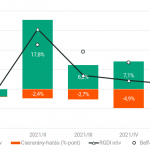
A 2021 végén, illetve 2022 elején tapaszalt 6, illetve 7%-os cserearányromlás brutális reáljövedelem-kivonást jelentett a magyar gazdaságból. A külső egyensúly alakulásával foglalkozó elemzések többnyire ... Read More »